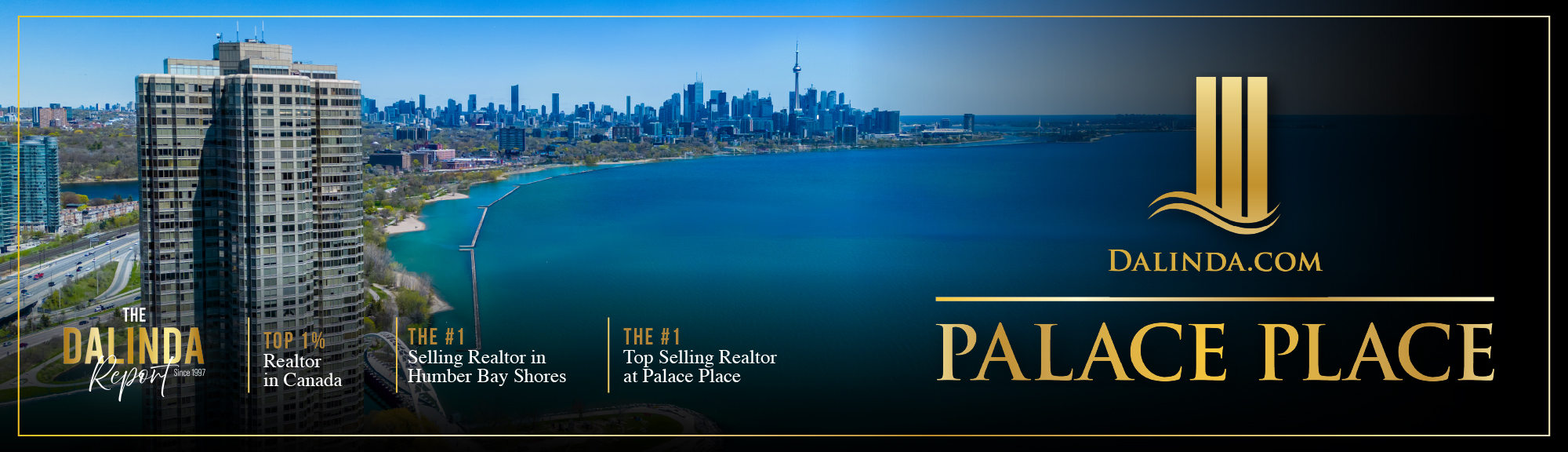

The Best Condos in Toronto were built between 1985 and 2000. Find out why?
It will come as a shock to many, but the best condominium residences in Toronto had been built between the years 1985 and 2000, not later.
Steadier Construction Pace Reduced Shortcuts
Toronto’s major condo boom had accelerated sharply after 2000, with thousands of units coming online annually amid high demand. In contrast, the 1985 to 2000 period had shown more measured growth. Builders of that time had faced less pressure to compress schedules or cut corners on hidden details to hit pre-sale targets or meet investor timelines. This had allowed better sequencing for critical work like foundation waterproofing (“bathtub” systems in waterfront areas), concrete placement, and envelope sealing. Rapid post-2000 projects sometimes had led to rushed execution, e.g., blindside membranes prone to adhesion failures, shotcrete issues (the method of spraying concrete at high speed onto surfaces), or incomplete joints, resulting in water penetration complaints in some buildings. The earlier era’s rhythm supported more deliberate quality control. This deliberate approach produced buildings that have stood the test of time better than many rushed later projects.
Clear Building Rules Before the Boom
The 1985 National Building Code of Canada (and aligned Ontario rules) had provided clear, prescriptive standards for structural integrity, wind loads, and basic waterproofing. These were well-understood and enforced during a less frantic period. Later shifts (notably the 2005 objective-based NBCC/OBC updates) had introduced more performance flexibility and “equivalent solutions.” While intended to encourage innovation without lowering standards, this had coincided with the boom. In high-pressure environments, some alternatives or interpretations had enabled cost-saving approaches that did not always hold up as well in challenging Toronto conditions (high water tables, freeze-thaw cycles, clay soils).
Documented Quality Differences in Practice

Many 1985 to 2000 concrete high-rises have demonstrated solid long-term durability, with issues more often tied to normal aging (e.g., mechanical upgrades) rather than original construction defects. Post-2000 examples (including some in Humber Bay Shores and other lakefront areas) have seen higher reports of early water ingress, foundation leaks, cladding problems, and envelope failures, leading to lawsuits, Tarion claims, and special assessments. Engineering investigations often cite installation shortcuts under volume pressures. Industry observers (engineers, real estate analysts) have noted that the boom had amplified risks with more subcontractors, tighter margins, and faster urban infill on complex sites.
Buyer and Investor Advantages Today
Condos from the 1985 to 2000 era are now proven and “seasoned”. Their performance track record is known. Many have established reserve funds, fewer surprises, and strong locations in mature neighbourhoods. They had often avoided the ultra-dense layouts or new, untested design details sometimes seen in later buildings. For value, they can offer a sweet spot. Built to solid 20th-century standards before the peak cost-cutting era, yet not yet at the ultra-high maintenance stage of much older stock. These residences represent a proven choice for discerning buyers and investors seeking reliability, enduring quality, and long-term peace of mind in Toronto’s competitive condo market. When shopping today, look closely at buildings from 1985 to 2000. Overall, the condominiums from 1985 to 2000 had been built right, before the shortcuts had taken hold.
VERY IMPORTANT NOTE:
Palace Pier, 2045 Lake Shore Blvd W, was built in 1978, which was before the 1985 Building Code update.
Palace Place, 1 Palace Pier Court, had been built in 1993, which had followed this critical update to the Building Code.
For more: https://palaceplace.com/who-built-palace-place/
Also, for more: https://palaceplace.com/did-you-know-what-do-the-statue-of-liberty-and-palace-place-have-in-common/
View all current and past Palace Place listings for sale here.
E: LDALINDA@DALINDA.NET • TEL: 416-725-7170
Luke Dalinda, Realtor. Royal LePage Real Estate Services Ltd., Brokerage.